Allergy
Understanding Hives (Urticaria) and Angioedema
A simple guide to itchy hives, deeper swelling, common triggers, home treatment, and the warning signs that need urgent help.
Patient information page | Last reviewed: June 2026
The quick answer
Hives and angioedema are closely related. Hives are itchy raised patches on the surface of the skin. Angioedema is deeper swelling under the skin, often around the lips or eyelids. They are often harmless and settle with time, but urgent help is needed if swelling affects the airway or comes with breathing difficulty, dizziness, or collapse.
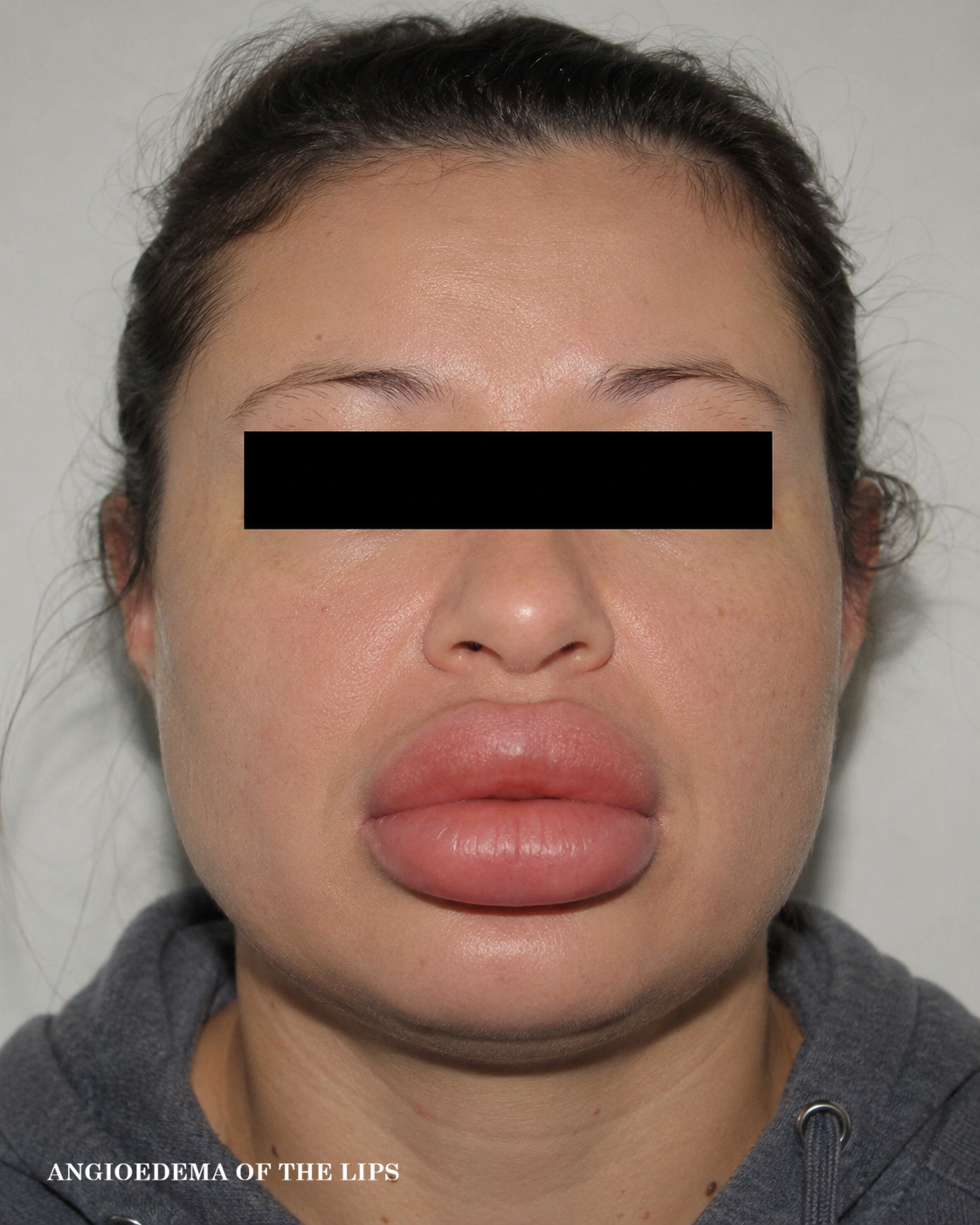
Waking up with itchy red bumps or suddenly noticing a swollen lip can be alarming. These reactions are called urticaria, also known as hives, and angioedema.
They often happen together, but they are not exactly the same. The difference mostly depends on how deep in the skin the swelling happens.
1. The core difference
Hives, urticaria
Hives happen on the surface of the skin. They cause raised, itchy red bumps or patches, often called wheals. The rash may move around, fading in one place and appearing somewhere else within hours.
Angioedema
Angioedema is deeper swelling underneath the skin. It often looks puffy rather than red and raised. The swelling may feel tight, sore, warm, or slightly painful rather than itchy.
2. Comparing the symptoms
| Feature | Hives, urticaria | Angioedema |
|---|---|---|
| Where it happens | Surface of the skin. | Deeper under the skin. |
| What it feels like | Usually very itchy. | Often tight, warm, sore, or slightly painful. It is usually not very itchy. |
| Appearance | Red or pink raised bumps or patches with clearer edges. | Puffy swollen areas. The skin above may look normal or only mildly pink. |
| Common locations | Anywhere on the body. | Lips, eyelids, hands, feet, and sometimes the genital area. |
3. Common triggers
Hives and angioedema happen when histamine and other chemicals are released in the skin. Common triggers include:
- Infections: viral infections are a very common cause, especially in children.
- Allergic reactions: foods, medicines, or insect stings can sometimes trigger a rapid flare.
- Physical triggers: cold, heat, sunlight, pressure from tight clothing, scratching, or heavy sweating.
- Stress: emotional stress can trigger hives or worsen an existing flare.
- No clear trigger: quite often no obvious cause is found. This is called idiopathic urticaria.
4. Managing the symptoms
Many cases of hives and mild angioedema settle on their own over days to weeks. While symptoms are active, these steps can help:
-
Use a non-drowsy antihistamine if suitable. This is often the most effective treatment for itch and swelling. Ask a pharmacist or doctor about an age-appropriate option and dose.
-
Try cool compresses. A cool damp cloth can reduce itching and discomfort.
-
Wear loose clothing. Cotton clothes and avoiding friction may reduce irritation.
-
Avoid overheating if possible. Hot baths, tight clothing, and vigorous sweating can make itching worse in some people.
Important note
Most hives are not caused by food allergy. In many people, especially children, the trigger is an infection or no clear cause is found.
When to get urgent help
Call emergency services immediately, or use an adrenaline auto-injector first if one has been prescribed, if swelling affects the tongue or throat, or if there is difficulty breathing, wheezing, chest tightness, a harsh barking cough, dizziness, faintness, or collapse.